
MEPCO is one of the leading construction and contracting companies in Saudi Arabia. Established in 1420 AH, the company has been steadily progressing to keep pace with the rapid urban development witnessed in the Kingdom.
MEPCO is one of the leading construction and contracting companies in Saudi Arabia. Established in 1420 AH, the company has been steadily progressing to keep pace with the rapid urban development witnessed in the Kingdom.


 MEPCO
MEPCO
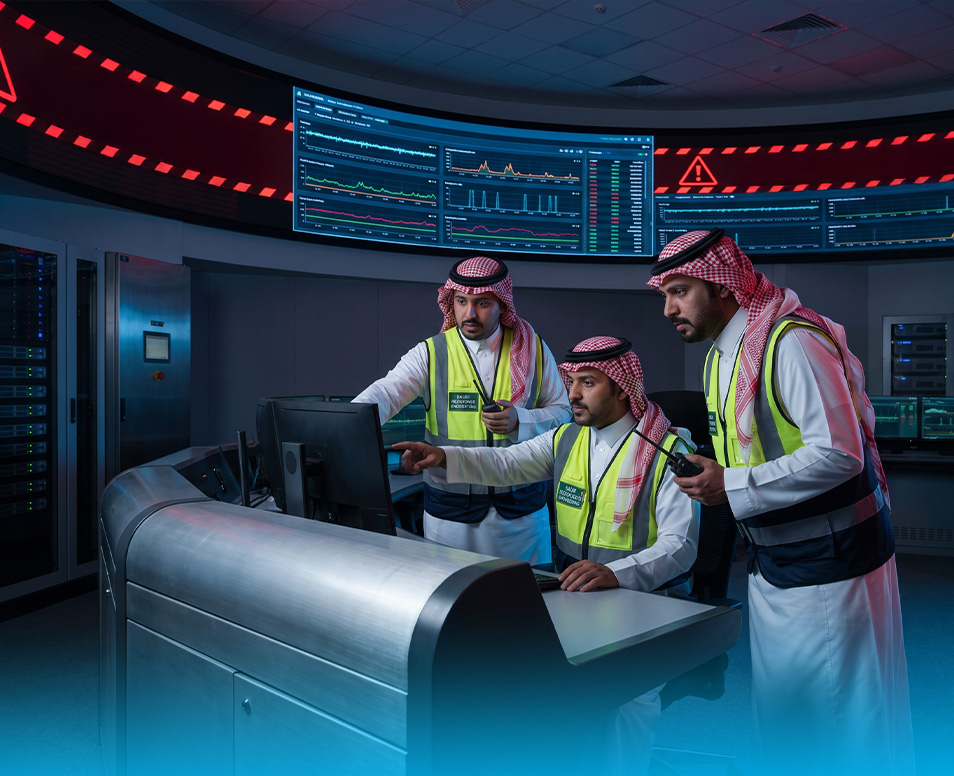
A critical failure response plan is the operational system that defines how maintenance and facility teams respond to high-impact breakdowns affecting critical services and infrastructure as quickly as possible. Facility managers, operations teams, and maintenance departments rely on it to minimize downtime, organize incident reporting, and prioritize emergencies before they escalate into major operational disruptions.
If you want to reduce downtime effectively, follow this approach: classify failures based on operational impact, define response responsibilities clearly, establish a centralized reporting system, and monitor response and closure times daily.
If you are looking for a company that supports facility operations, maintenance management, and incident response services, you can explore MEPCO operation and maintenance solutions.
A critical failure response plan is an operational framework that defines:
The goal is to reduce downtime and maintain continuity of critical facility operations and services.
Critical failures can directly impact:
Without a clear response plan, facilities often face issues such as:
For this reason, incident response planning is a core part of effective operation and maintenance management.
Start by categorizing incidents based on their actual operational impact.
These failures directly affect facility continuity or site safety.
Examples include:
Recommended actions:
These issues do not fully stop operations but still create major operational disruption.
Examples include:
Recommended actions:
These incidents do not directly affect critical operations but still require organized follow-up.
Examples include:
Recommended actions:
An effective reporting center helps organize maintenance requests and prevents incidents from being lost or delayed.
Your reporting center should:
Even with skilled maintenance teams, unclear reporting systems often lead to response delays.
An internal SLA (Service Level Agreement) helps operations teams understand expected response requirements for each incident level.
To implement an effective SLA:
The purpose of an internal SLA is not complexity — it is operational organization and faster incident handling.
A successful incident response system should be simple, practical, and easy to apply on-site.
Collect all incidents through a single operational channel.
Classify incidents according to their real operational impact.
Define who handles each type of incident.
Clarify when management, suppliers, or specialized contractors should be involved.
Do not close incidents until operations are fully restored.
Review recurring incidents and identify root causes rather than temporary symptoms.
All incidents are treated the same way.
Result:
Critical failures receive delayed attention.
Incidents are closed without recording causes or corrective actions.
Result:
The same problems repeat later.
Teams wait too long before requesting support.
Result:
Longer downtime and operational disruption.
Temporary fixes are applied without investigating the real cause.
Result:
The issue returns shortly after repair.
Follow these daily operational practices:
Every minute of delayed response can affect operations, service continuity, and owner satisfaction.
Successful facility operations depend not only on repairs, but also on fast response procedures, organized workflows, and minimizing disruptions before they impact services.
MEPCO provides integrated operation and maintenance solutions for facilities, industrial projects, and infrastructure assets, including incident management, response coordination, maintenance supervision, and operational continuity support through structured maintenance methodologies.
MEPCO specializes in MEP contracting, industrial fabrication, steel structure manufacturing, project management, and maintenance services. Its solutions include design support, material procurement, installation, testing, commissioning, and operational support according to Saudi regulations and project requirements.
MEPCO supports oil & gas, petrochemical, power generation, water treatment, commercial construction, and infrastructure sectors across Saudi Arabia. Its teams understand the technical specifications, safety procedures, and compliance requirements unique to each industry.
Yes. MEPCO manages the complete project lifecycle — from design consultation and procurement through fabrication, installation, testing, commissioning, and final delivery. Clients benefit from a single point of contact and transparent reporting throughout all project stages.
MEPCO was established in [Year] and is headquartered in [City], Saudi Arabia, with fabrication facilities and project teams serving clients throughout the Kingdom.